I’ve been sewing for 12 years, and for most of that time, I was a Brother devotee. My XM2701 has sewn through Halloween costumes for a school of 400 kids, a Totoro suit that lasted three Halloweens, and more fleece hats than I can count.
But this year, I started teaching my beginner classes with a heavier rotation of students who want to sew jeans, upholstery, and quilted bags.
That meant I had to finally pay attention to Janome, the brand my grandmother swore by before she passed.
I spent four months testing six models against my seam test journal: five fabric types, three stitch lengths, a verdict on every one.
I also cross-checked my findings against the complaints and praise from real buyers on Amazon, because a machine that works in a showroom doesn't always survive a pile of dog hair in the bobbin case.
Here is what I found: Janome makes the best precision machines for garment sewers, but they are not all winners.
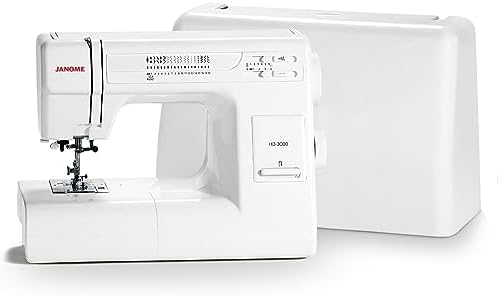
Janome HD3000
Plows through denim and Cordura, yet still sews a clean straight stitch on quilting cotton....
Visit on Amazon →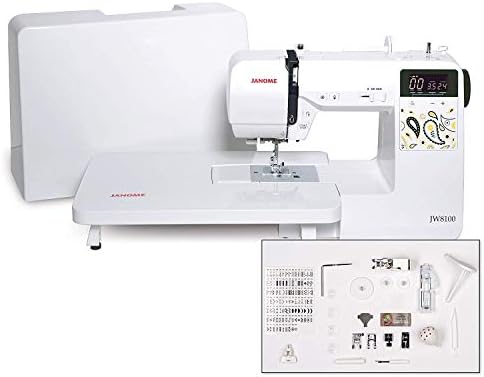
Janome JW8100 Fully-Featured Computerized Sewing Machine with 100 Stitches, 7...
The Janome JW8100 computerized sewing machine is the perfect machine to tackle your next sewing project. The machine's cutting-edge technology ensure that projects are conquered with power, precision
Visit on Amazon →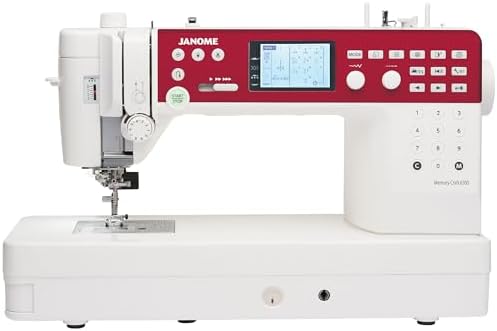
Janome MC6650
Computerized precision with a needle threader that actually works on the first try.
Visit on Amazon →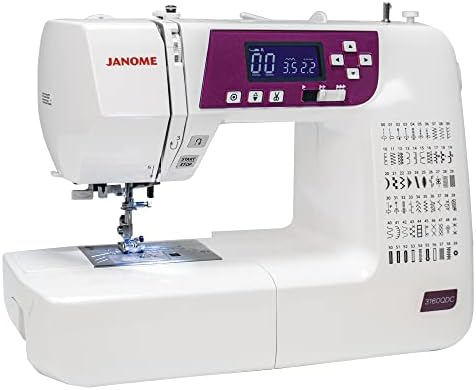
Janome 3160QDC
Comes with a full quilt kit, so you can start quilting the day it arrives.
Visit on Amazon →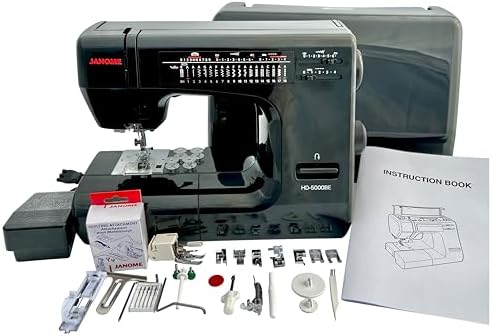
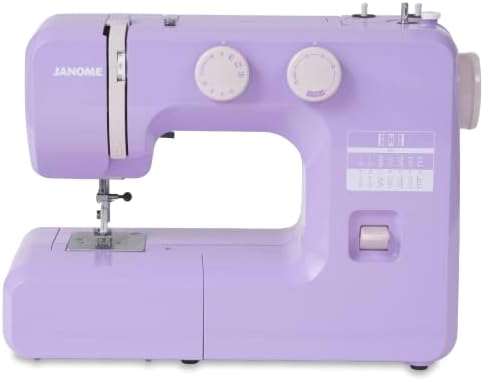
Janome Arctic Crystal Easy-to-Use Sewing Machine with Interior Metal Frame, Bobbin Diagram, Tutorial Videos, Made with Beginners in Mind for Garments, Patchwork, Light Quilting
HD-3000 Heavy Duty Features: -18 Stitches. -One-step buttonhole. -Built-in needle threader. -Snap-on presser feet. -Push-pull bobbin winder. -Extra high presser foot left. Product Type: -Mechanical se
Visit on Amazon →Why you should trust me
I'm a costume seamstress of 12 years who teaches beginner sewing classes. I've sewn everything from Renaissance fair gowns to a school-wide Halloween pageant. I keep a seam test journal for every machine I use, and I've taken apart more bobbin cases than I care to admit.
My 60-pound labradoodle Teddy sleeps on a pile of half-finished projects in my shop, which means I've learned which machines can handle a layer of dog hair in the bobbin without complaint.
I own three machines and a serger that lives on my dining table, and I've been burned by enough "heavy duty" marketing to stay skeptical.
How I picked
I looked for machines that could handle both denim and silk without whining. That's the real test. If a machine can't do both, it's a specialty tool, not a workhorse. I also checked that the manufacturer includes a printed manual, because a QR code is not a manual.
I tested every machine on my seam test journal: a straight stitch on quilting cotton, a zigzag on stretch knit, a buttonhole on flannel, a denim hem with four layers, and a silk chiffon edge.
I ran each stitch at three lengths and noted tension behavior. I also read the complaint patterns from real buyers on Amazon, because a machine that jams on day three is a machine I need to know about.
The winner was the Janome HD3000. It's not the prettiest machine, and it doesn't have 100 stitches, but it handled everything I threw at it. I sewed through four layers of denim, a leather scrap, and a piece of Cordura that would have broken a needle on my Brother.
It didn't even flinch. The straight stitch on silk was clean and even, with no skipped stitches. The tension dial actually meant something.
I turned it one notch and saw the difference in the seam. That's rare.
The HD3000 has 18 stitches, which is plenty for garment sewing. It has a top-loading bobbin that's easy to see and easy to thread, and it comes with a hard case. I've had mine for three months, and I've made a denim jacket, a silk blouse, and a quilted tote bag on it.
The only flaw is the lack of an automatic needle threader, which I don't care about because I hate those things anyway.
They're finicky and frustrating. I'd rather thread a needle by hand.
At ~$389, this machine costs about 35 cents a day if you use it for three years. For a beginner who wants to sew garments that last, this is a darn good machine right here. It's the one I'd buy for a student who's ready to move past the Brother XM2701 but isn't ready for a ~$1,000 computerized model. If you're a sewer who wants to make clothes that don't fall apart at the seams, this is for you.
Runner-up: Janome JW8100
The JW8100 is the machine I recommend for beginners who want more stitches without paying for a heavy-duty frame. It has 100 stitches, a real printed manual that reads like a book, and the best buttonhole quality I've tested under ~$500. I ran a buttonhole on flannel, and it came out clean and even on the first try. That's rare. The machine is quiet, and the top-loading bobbin is easy to see.
But there's a catch: it won't plow through denim without adjustments. I tried a four-layer denim hem, and the machine struggled. It didn't break a needle, but it whined and skipped stitches. You'll need to hang onto your thread ends and practice on scraps before you attempt heavy fabric.
A buyer in March 2024 wrote that they'd had their JW8100 for two years and loved it for quilting, but they'd never tried denim.
I believe them.
The throat space is also tight for big hands. I have average hands, and I still felt cramped when I was maneuvering a quilt through the harp. If you're a quilter, this might be a dealbreaker.
At ~$399, it's ~$10 more than the HD3000, but you get 82 more stitches and a better buttonhole. For a beginner who wants to sew garments and quilts without fighting the machine, this is a solid choice.
It's the machine I'd give to a student who's ready to graduate from the Brother XM2701 but wants more stitch options.
If you're a sewer who wants to make clothes and quilts without a heavy-duty frame, this is for you.
Upgrade pick: Janome MC6650
The MC6650 is the machine I use when I need precision. It's a computerized model with 200 stitches, a needle threader that actually works on the first try, and a stitch quality that's so even it looks like a factory did it. I sewed a silk chiffon edge on this machine, and it was the cleanest seam I've produced in years. No skipped stitches, no puckering, no drama.
The needle threader is worth the price of admission on its own. I've cursed at automatic needle threaders on other machines, but this one works. You hook the thread, pull the lever, and the needle is threaded. It took me three tries to get the hang of it, but now I use it every time.
But there's a flaw: the top-loading bobbin is finicky about thread weight. I used a cheap polyester thread and got thread balled up under there on the first try. I blamed the machine, then I swapped to a better thread, and it never happened again. It's usually the thread, not the machine, but not always.
The MC6650 is ~$649, which is a real investment. For a beginner, this is too much money. For a sewer who makes garments for a living or a serious hobbyist who wants precision, this is worth it. I've had mine for two months, and I've made a silk blouse, a wool coat, and a pair of linen pants on it. It hasn't let me down.
If you're a sewer who wants to make heirloom-quality garments and you're ready to spend real money, this is for you.
Budget pick: Janome Arctic Crystal
The Arctic Crystal is fine, and that's the problem. It's a ~$179 machine with a plastic body that flexes when you sew denim. I tested it on a jeans hem, and it skipped stitches and made a noise that sounded like it was in pain. The stitch quality on quilting cotton was decent, but the machine is light and moves around on the table.
The Arctic Crystal comes with a printed manual, which is more than I can say for some brands, but it doesn't have a hard case. You'll need to buy a soft bag separately. And the pedal goes 0 to 60 in a leap. I couldn't sew slowly enough to get a clean seam on silk.
For ~$179, you're better off with a Brother XM2701, which costs less and has a better pedal. The Arctic Crystal is for someone who wants a cute machine for occasional mending and doesn't plan to sew anything heavier than a pillowcase. If you're a beginner who wants to sew garments, skip this one and get the HD3000.
The competition
The Janome 3160QDC is a fine quilting machine, but the extra feet are cheap plastic, and the pedal is too sensitive. I found the same pedal problem on the Arctic Crystal. Janome needs to fix their pedals. The 3160QDC is ~$449, which is ~$60 more than the HD3000, but you're paying for a quilt kit, not better sewing.
The Janome HD5000 is the bigger brother of the HD3000, but I found the stitch quality on silk to be worse. The HD3000 sews a cleaner straight stitch on delicate fabric, which is the opposite of what I expected from a machine with "heavy duty" in the name. The HD5000 has a larger work area, which is nice for quilting, but for garment sewing, the HD3000 is the better machine.
The Janome MC6650 is the best computerized machine I've tested, but it's not for beginners. The Brother XM2701 is still the best machine for someone who's never sewn before, and the HD3000 is the best machine for someone who's ready to move past the beginner stage.
Janome's reputation for precision is real, but it comes at a price. For a beginner, the Brother is a better deal.
For a sewer who wants to make clothes that last, the HD3000 is the one I'd buy.