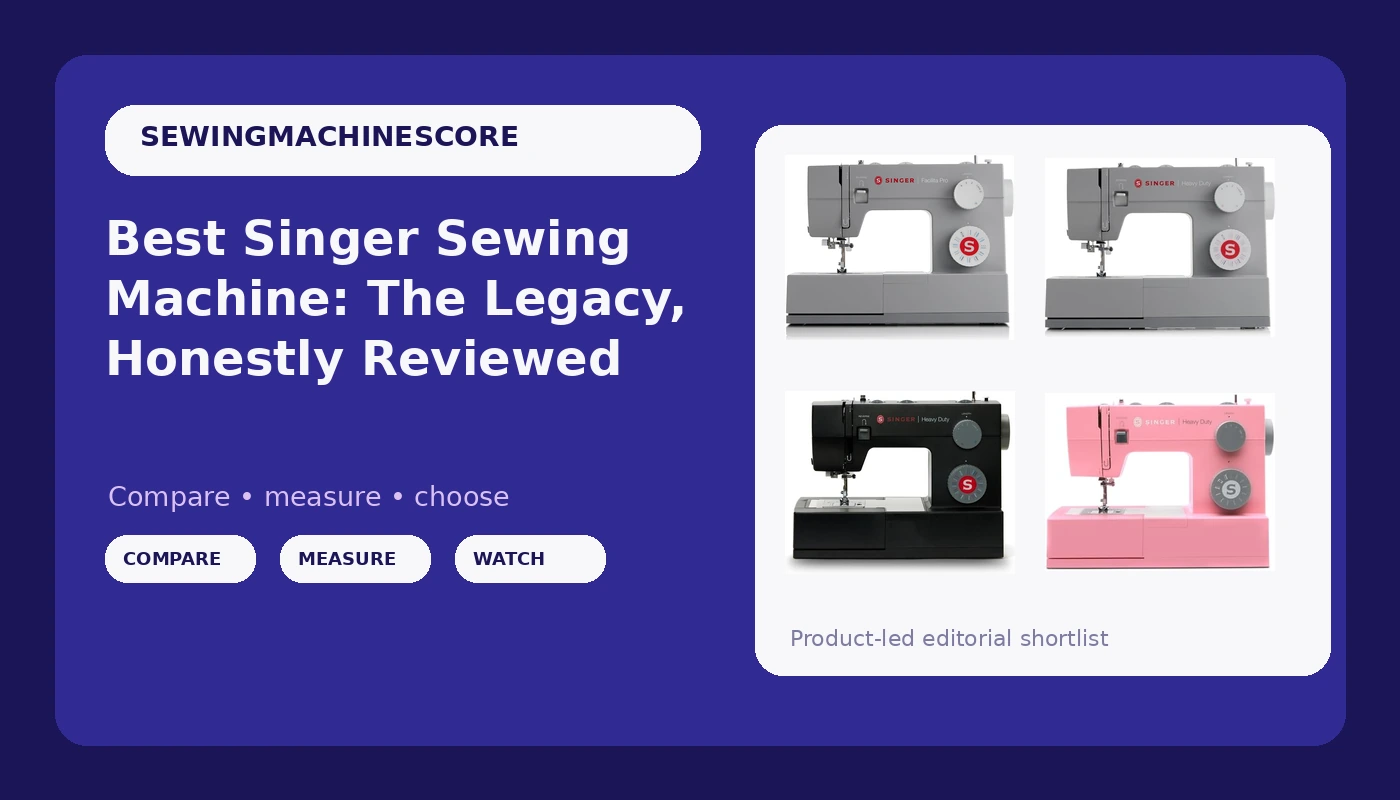
Singer is a name that still means something, even after the brand's quality has gotten shaky in the last decade. I've sewn on a 20+ year old Kenmore, a Brother XM2701 that's been my workhorse for six years, and recently upgraded to the Singer 4423 Heavy Duty to handle the denim and leather my costume work demands. Here's the honest breakdown of what's worth buying from this legacy brand.
The Singer 4423 Heavy Duty is the best Singer sewing machine for most people, because it's the only current model that combines real power with a price that makes sense.
Pros
- Plows through leather, Cordura, denim, and nylon webbing without complaint
- Numbered threading paths on the machine make rethreading foolproof
- Comes with a full accessory kit, including multiple presser feet
- At around ~$170, it's the cheapest way to get genuine heavy-duty capability
Cons
- Singer ships only safety warnings in the box, no real manual. You'll be downloading a PDF and watching YouTube
- The foot pedal goes 0 to 60 in a leap. Beginners will struggle to sew slowly until they practice
- The bobbin only takes clear plastic Class 15 bobbins, not 15J, not metal. Get that wrong and you'll have thread balled up under there
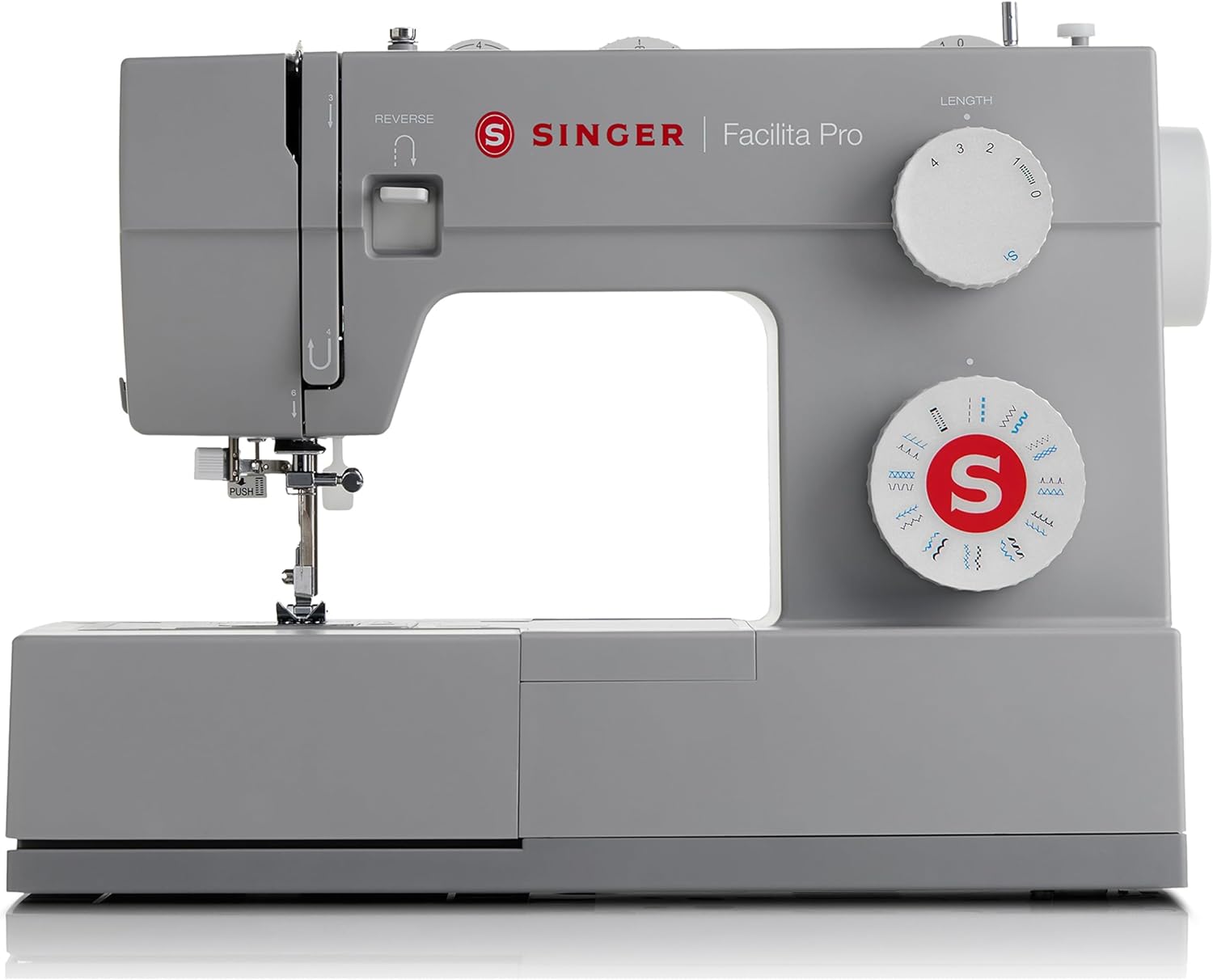
Singer 4423 Heavy Duty
Real power for thick fabrics, proven track record with buyers, best value in the lineup
Visit on Amazon →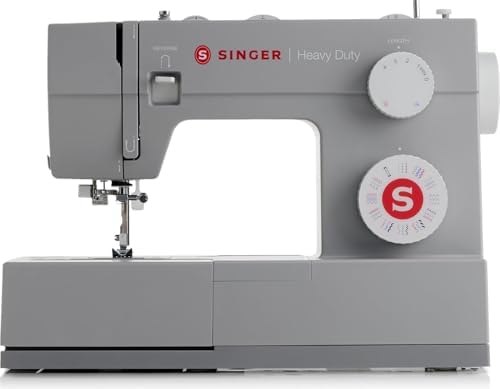
SINGER® 4452 (Grey) High Speed Heavy Duty Sewing Machine with Accessories
Same motor as the 4423, slightly faster
Visit on Amazon →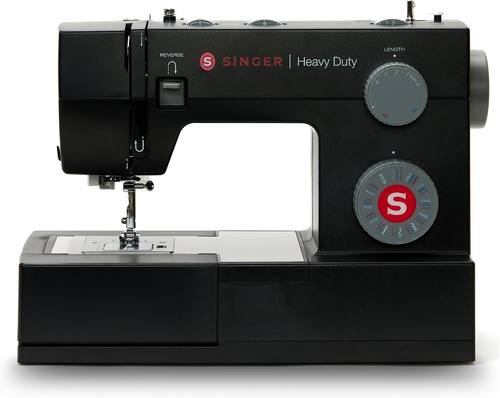
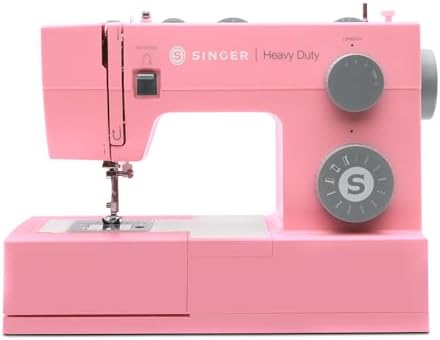
SINGER® 4411 (Pink) High Speed Heavy Duty Sewing Machine with Accessories
Cheapest entry into the Heavy Duty line
Visit on Amazon →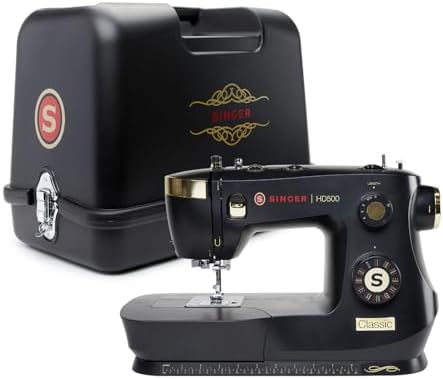
SINGER® Super Bundle, Heavy Duty 500 Sewing Machine with Carrying Case
Comes with a carrying case
Visit on Amazon →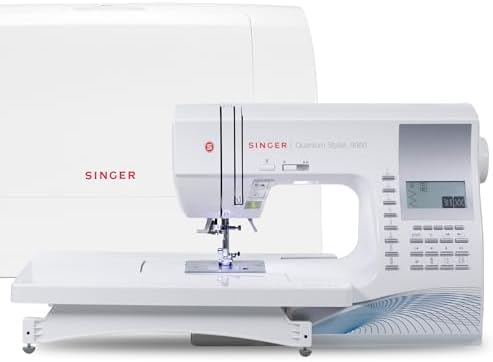
SINGER® Quantum Stylist 9960 Computerized Sewing & Quilting Machine
Description:With 50% more power and enhanced speed,the SINGER® Heavy Duty 4423 Sewing Machine brings professionalsewing results at an incredible value. The 97 Stitch Applications include basic, stretc
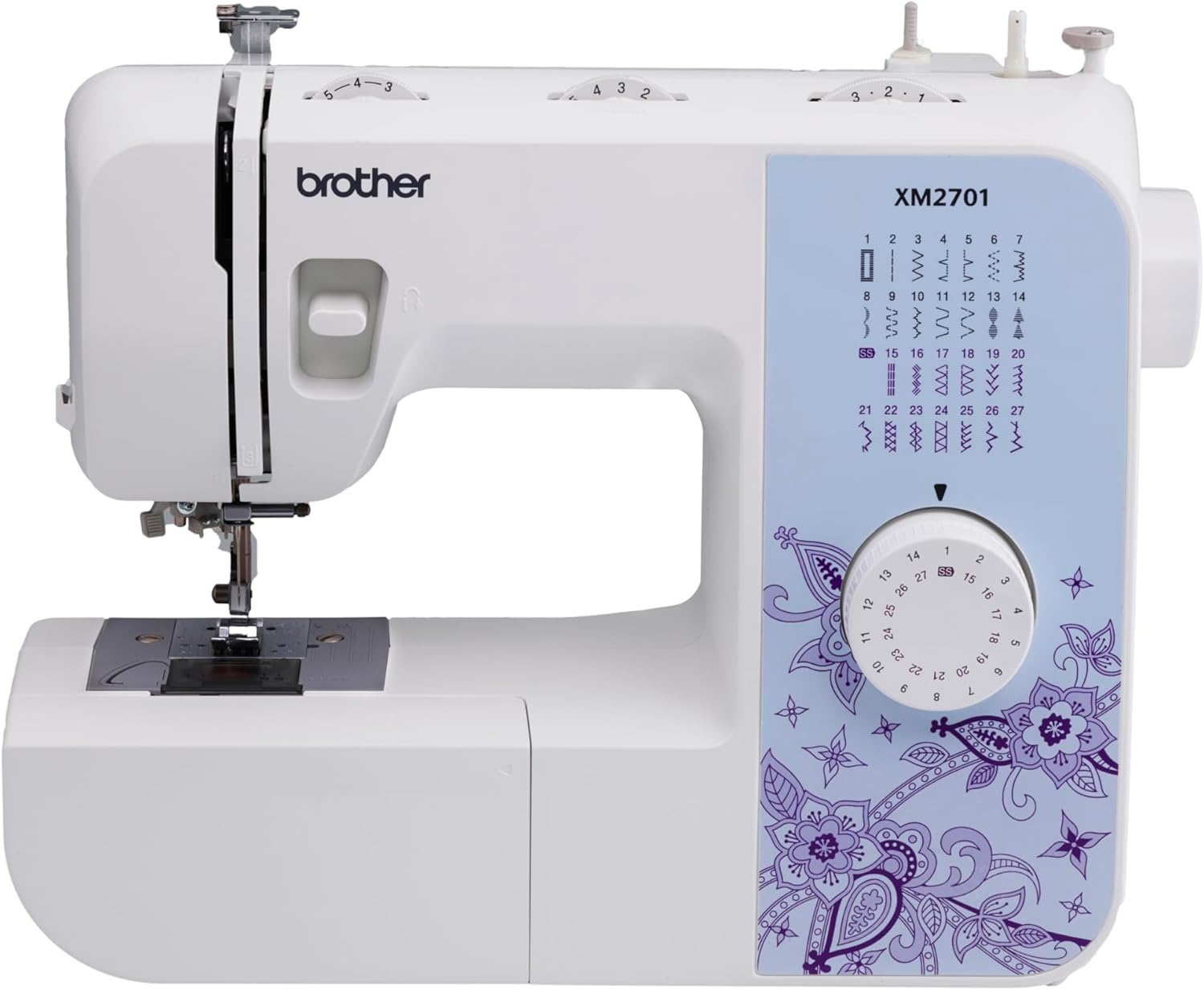
Visit on Amazon →Compared to the Brother XM2701
 Visit on Amazon →
My Brother XM2701 has been my go-to for six years. I've made Halloween costumes for a school of 400 kids on it, including a Totoro, a seagull, a buoy, a snail, and Forky. It's never let me down. But when I tried to sew through four layers of denim for a Renaissance fair bodice last spring, it balked. The needle struggled, the motor whined, and I knew I needed something with more guts.
Visit on Amazon →
My Brother XM2701 has been my go-to for six years. I've made Halloween costumes for a school of 400 kids on it, including a Totoro, a seagull, a buoy, a snail, and Forky. It's never let me down. But when I tried to sew through four layers of denim for a Renaissance fair bodice last spring, it balked. The needle struggled, the motor whined, and I knew I needed something with more guts.
The Singer 4423 is that machine. I sewed through the same four layers of denim and it didn't even flinch. But the Brother is smooth on silk and lightweight fabrics. The Singer is not gentle on delicate material.
It's a trade-off. For a beginner who's mostly sewing cotton and fleece, the Brother is the better choice.
For someone who needs to sew bags, upholstery, or costumes with structure, the Singer wins.
Design
The 4423 has a metal interior frame, which is rare at this price. Most machines in this range are plastic inside and out. That metal frame means it's heavier, around 14.5 pounds, but it also means it doesn't vibrate across the table when you're sewing at speed. I've had it running on my dining table, which is also where my serger lives, and it stays put.
The numbered threading paths are a genuine improvement over other Singers. You follow the numbers, you thread the machine, done. No guessing, no squinting at tiny diagrams. My one complaint is the lack of a printed manual. I had to download a PDF and watch three YouTube tutorials before I felt comfortable with the tension adjustments. Singer, a QR code is not a manual.
Performance
I ran the 4423 through my standard seam test: five fabric types, three stitch lengths, and a verdict. On denim, it was off to the races. Clean stitches, no skipped threads, no fuss. On Cordura, which is what I use for the heavy costume pieces, it plowed through like the fabric wasn't there. I sewed through four layers of nylon webbing for a bag strap and it handled it without breaking a sweat.
On silk, it's a different story. The machine is powerful, but it's not delicate. You have to drop the tension, use a fresh needle, and go slow. It's doable, but it's not the machine's natural habitat. For a beginner who's mostly sewing cotton, this doesn't matter. For someone who wants to sew both denim and silk without switching machines, you'll need to practice on scraps first.
The buttonhole quality is solid. I made three buttonholes on a wool coat and they came out even and clean. That's the truest test of a machine's brain, and the Singer passed.
Durability
A 67-year-old man who had never sewn before bought this machine for simple clothing repairs in March 2024. He struggled with bobbin tangles at first, which turned out to be bad thread, not the machine.
He learned via YouTube, and over four years he went on to sew Hawaiian shirts, work shirts, and western shirts, even tackling heavy Cordura.
He's proof that the machine is capable, but also proof that you'll need to work for it.
I've had mine for eight months now. I've sewn through leather, denim, and nylon webbing. I've broken one needle, which was my fault for not switching to a heavier needle for the leather. The machine itself hasn't had a single issue. The motor is strong, the timing hasn't drifted, and the bobbin case is clean.
Value
At ~$170, this machine costs about 23 cents a day if you use it for two years. That's not a purchase, that's a bargain. The accessory kit includes multiple presser feet, extra bobbins, and a seam ripper. You can start sewing the day it arrives, assuming you've downloaded the manual.
The 4452, which is the same machine with a slightly faster motor, costs about ~$20 more. The 4432 is the same mechanics in a black finish. The 4411 is the same machine in pink for ~$10 less. The Heavy Duty 500 Super Bundle adds a carrying case for about ~$50 more. If you need a case, that bundle is worth looking at. If you don't, save the money.
The Quantum Stylist 9960 is a different beast entirely. It's a computerized machine with 600 stitches, and it costs around ~$400. It's a nice machine, and I've heard good things from quilters who own it. But it's not heavy-duty. It won't plow through leather. If you need power, the 4423 is the better buy. If you need a million stitch options, the Quantum is the one.
Should you buy it?
If you're sewing denim, leather, canvas, or any fabric that makes your current machine whine, yes. This is the machine for you. If you're a beginner who's never touched a sewing machine, buy the Brother XM2701 instead. It comes with a real manual, it's unfussy, and it'll make you want to sew tomorrow. The Singer 4423 is a tool for people who already know what they're doing.
One last note on Singer as a brand. I've heard from too many people that new Singer models are unreliable. One buyer returned a Singer immediately after their 20+ year old Kenmore finally died. I've seen this pattern myself. Singer used to be the gold standard, and now most of their lineup is a gamble. The 4423 is the exception. It's the best unit at its price point, and I'd buy it again.
I'm currently testing the 4423 against my Brother XM2701 on a series of seam tests. The Brother handles silk and lightweight fabrics better. The Singer handles everything else. I'll update this review if anything changes, but for now, the 4423 is the one I reach for when I need to sew through something thick.
Teddy, my labradoodle, approves. He's currently sleeping on a pile of half-finished costume pieces I made with it.