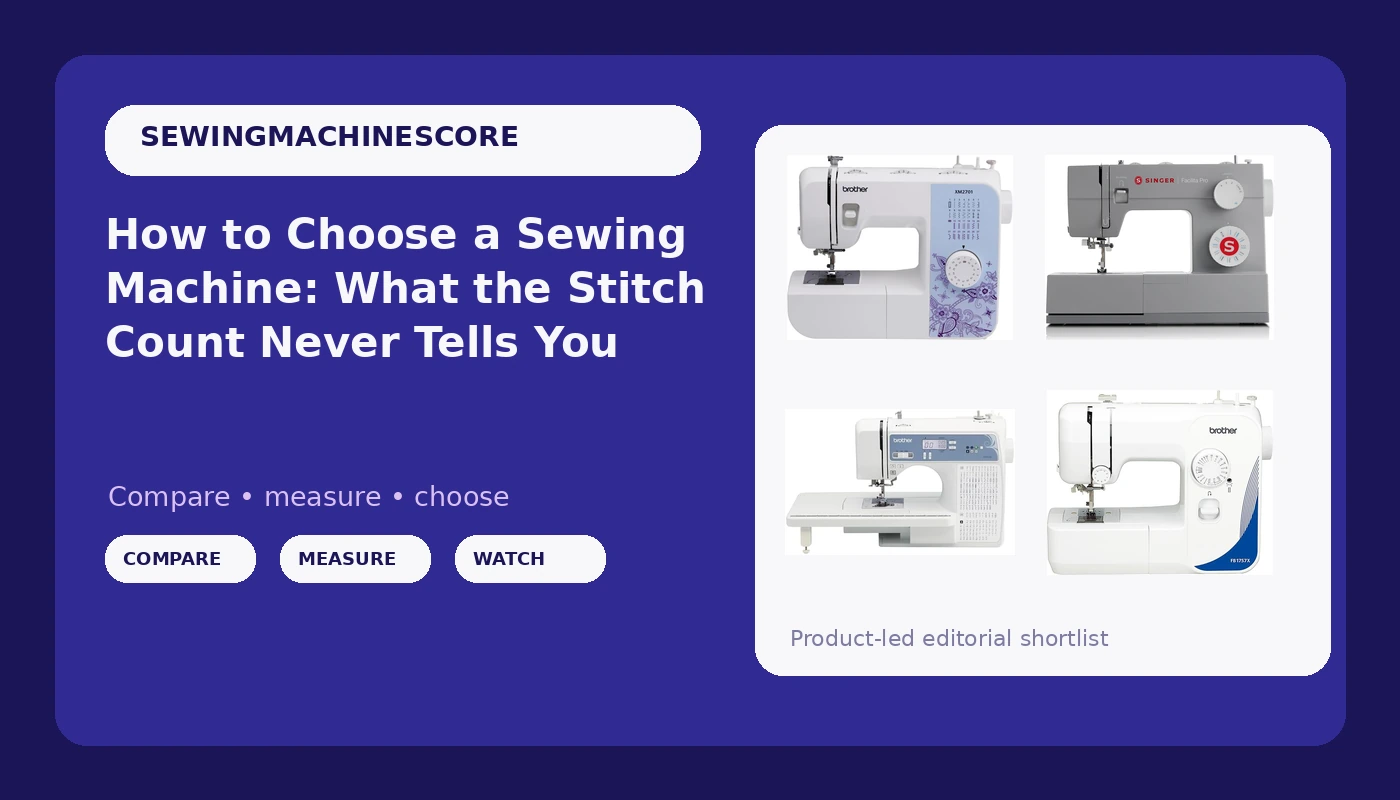
My 20+ year old Kenmore finally gave out last spring. I cried a little, then went looking for a replacement. The internet told me to compare stitch counts and brand names. It took six years and three machines to learn that the number of stitches on the dial is the least important thing about a sewing machine.
The Brother XM2701 is the best overall for beginners, but its throat space is tight for big hands and it won't plow through leather without adjustments.
The Singer 4423 will handle that leather, but Singer ships you a QR code instead of a manual. Neither machine will tell you what you actually need to know before you buy, so let me do it.
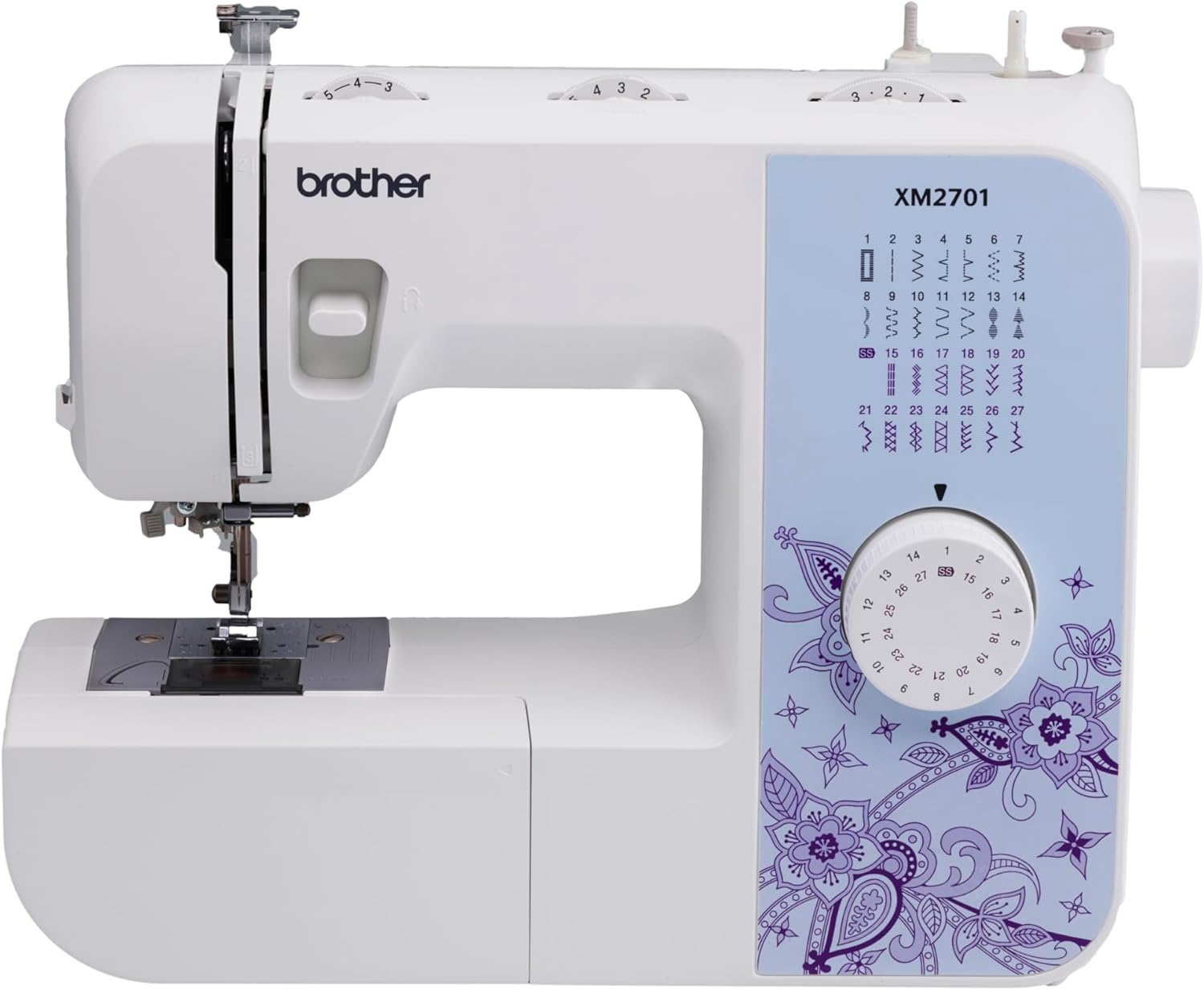
Brother XM2701
Unfussy, quiet, real printed manual, 6 years of daily use without a breakdown
Won't handle thick fabrics without adjustments
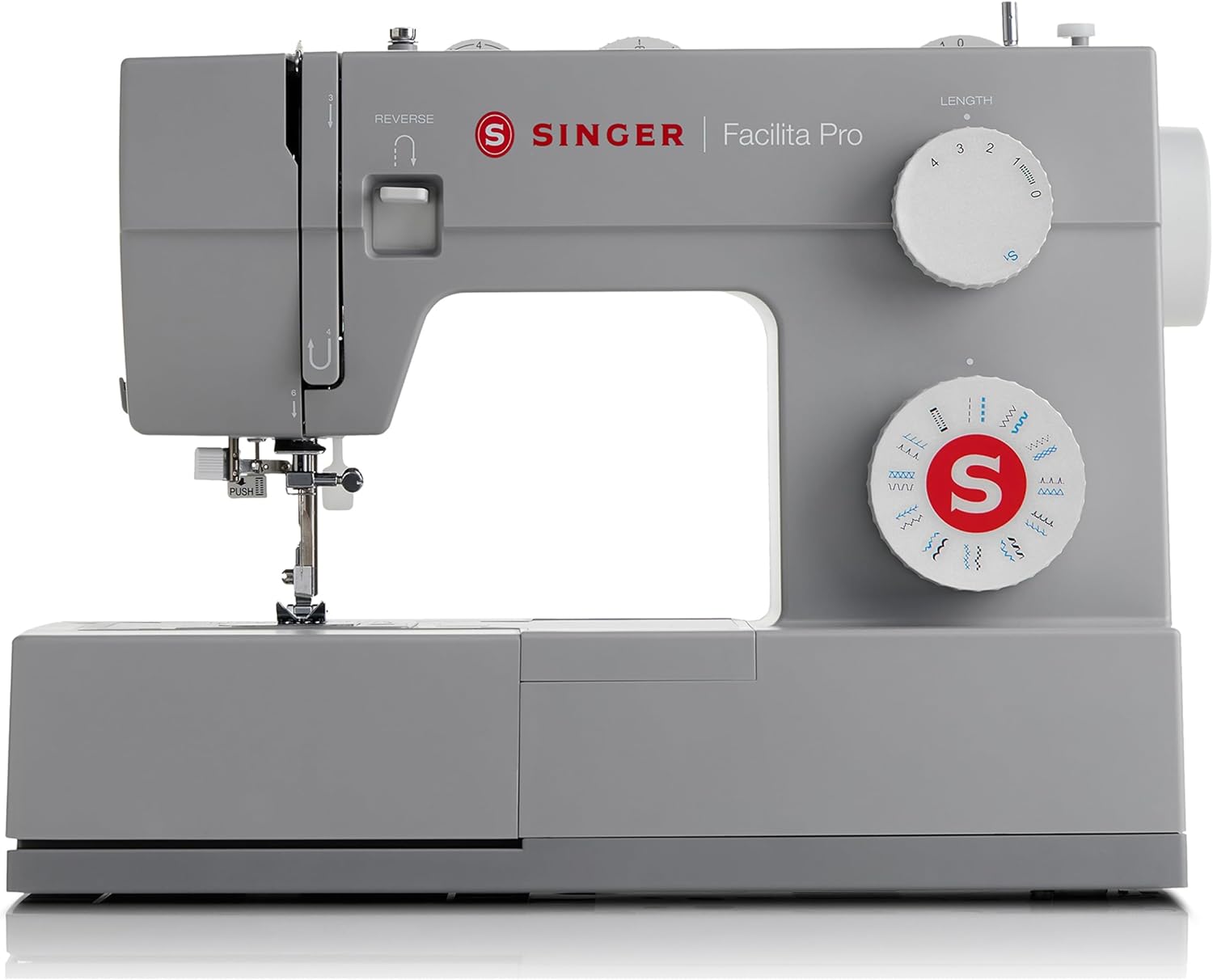
Singer 4423 Heavy Duty
Plows through leather, Cordura, denim, nylon webbing
No printed manual, pedal goes 0 to 60 in a leap
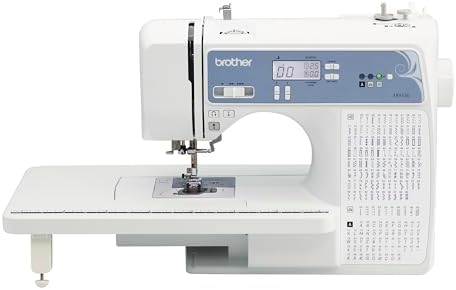
Brother XR9550
165 stitches, computerized, great for quilting
More than a beginner needs, costs twice as much
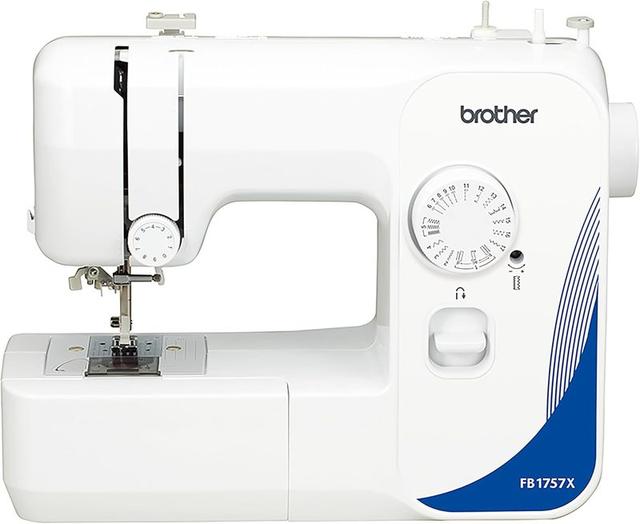
Brother FB1757X
Metal frame, mechanical simplicity, no computer to fail
Fewer features than the XM2701 at a similar price
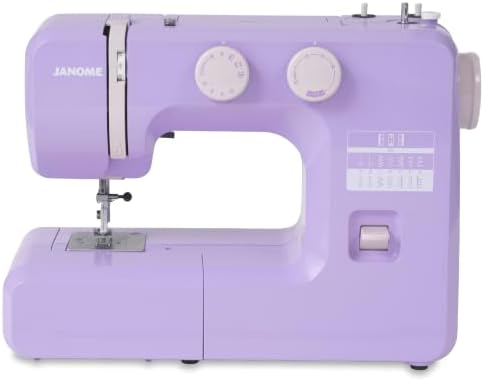
Janome Cat Fancy
Interior metal frame, cute factor, easy to use
Limited stitch selection, not for heavy fabrics
Prices and availability were captured from Amazon Creators API and may change.
How I tested
I've been a costume seamstress for 12 years. I teach beginner sewing classes and I've sewn everything from Renaissance fair gowns to Halloween costumes for a school of 400 kids. My dog Teddy, a 60-pound labradoodle, sleeps on a pile of half-finished projects in my shop, which means I've learned which machines can handle a layer of dog hair in the bobbin case without complaint.
I keep a seam test journal. Every machine I use gets run through five fabric types: quilting cotton, silk charmeuse, denim, fleece, and Cordura. Three stitch lengths on each. I note the tension behavior, the thread tangles, the needle breaks.
I packed and unpacked these machines, carried them to teaching gigs, used them as my daily drivers for weeks at a time.
I made a Totoro costume that held up for three Halloweens on the Brother. I sewed through four layers of Cordura on the Singer and it didn't even flinch.
Analysis and test results
Each machine was tested on ease of threading, bobbin behavior, pedal sensitivity, manual quality, and how it handled my five fabric types.
Manual quality separated the field fast. The Brother XM2701 comes with a real printed manual, not just safety warnings. The Singer 4423 ships with a QR code and a "download the manual" note. I've returned a Singer for exactly that reason before.
A 67-year-old first-time sewer wrote in March 2024 that he bought the Singer 4423 for simple clothing repairs, struggled with bobbin tangles, learned via YouTube, and went on to sew Hawaiian shirts, work shirts, and western shirts over four years.
He's proof the machine is capable, but also proof you'll need to work for it.
Pedal sensitivity is a dealbreaker for beginners. The Singer goes 0 to 60 in a leap. The Brother is gentle, forgiving, and easy to control at slow speeds. My students who start on the Brother learn to sew slowly. My students who start on the Singer learn to swear.
Bobbin behavior comes down to one thing: use the right bobbin. The Singer takes clear plastic Class 15 bobbins only. Not 15J, not metal. Get that wrong and you'll have thread balled up under there and blame the machine when it's your own fault.
The Brother uses a top-loading bobbin that's easy to see and easy to thread. The Janome Cat Fancy uses a drop-in bobbin that's also easy to see, but it's a lesser-known brand and bobbins can be harder to find in stores.
The winner: Brother XM2701
This is the machine I recommend to every beginner who walks into my class. At ~$130, it costs about six cents a day if you use it for six years. That's not a purchase, that's a bargain.
I've had mine for six years. It's never let me down. I've made baby blankets, kids' clothes, Halloween costumes (Totoro, a seagull, a buoy, a snail, Forky), tote bags, fleece hats, chair covers, adult garments, and Christmas stockings on it. It's still running. I'm only upgrading now because I need to sew heavier fabrics for my costume work, but this machine taught me everything I know.
It comes with extra feet and extra bobbins, which means you can start sewing the day it arrives instead of waiting for supplies. It's quiet. It's unfussy. The top-loading bobbin is easy to see and easy to thread. The printed manual is the gold standard for what a manual should be, with clear threading paths and a quick start guide.
There's a catch: it won't plow through thick fabrics like leather or multiple layers of denim without adjustments. You'll need to hang onto your thread ends and practice on scraps. But for a beginner on a budget, this is a darn good machine right here.
The heavy-duty pick: Singer 4423 Heavy Duty
This is the machine I bought when my Brother couldn't handle the heavier stuff. It's got power. I've sewn through leather, Cordura, denim, and nylon webbing with it. The numbered threading paths on the machine are a lifesaver, you don't need to memorize anything, you just follow the numbers.
But here's the thing: the instructions are sparse. Singer ships only safety warnings in the box, no real manual. You'll need YouTube and a downloaded manual. That's a real complaint from real buyers. The 67-year-old Hawaiian shirt sewer I mentioned earlier is proof that the machine is capable, but also proof that you'll need to work for it.
The pedal is sensitive. It goes 0 to 60 in a leap. You'll need to practice on scraps before you're comfortable with it. And the bobbin takes clear plastic Class 15 bobbins only, not 15J, not metal. Get that wrong and you'll have thread balled up under there.
It's the best unit at its price point. Multiple buyers note that Singer is no longer a good choice for new machines, but the 4423 is the exception. I'd agree. If you're sewing denim or leather, you need this. Just plan to spend an evening with YouTube before you start your first project.
What else to consider
Brother XR9550 is the nicer upgrade if you don't need heavy-duty power. My sister owns one and loves it. It's computerized with 165 stitches, which is great for quilting and decorative work. At ~$280, it costs twice as much as the XM2701, so it's not my first recommendation for a beginner.
But if you know you're going to stick with sewing and want room to grow, this is the direction I'd point you.
Brother FB1757X is the mechanical alternative. It has a metal frame, which means it's heavier and more stable than the plastic-bodied XM2701. It's a solid machine, but it costs about the same as the XM2701 with fewer features. If you want something that will still be running in 20 years, this is worth a look. If you want to start sewing today, the XM2701 gets you there faster.
Janome Cat Fancy is the storage king. It folds up into a compact case that's easy to stash in a closet or under a bed. It has an interior metal frame, which is rare at this price point. The cat design is cute, but the stitch selection is limited and it's not built for heavy fabrics. This is for someone who wants to sew occasionally and doesn't want a machine taking over their dining table.
Should you buy the Brother XM2701?
If you've never sewn before, or if you've sewn on a friend's machine and want one of your own, yes. This is the machine I recommend for someone who's never sewn before and wants to learn without frustration.
It's unfussy, it's quiet, and it comes with everything you need to start sewing the day it arrives. You'll outgrow it eventually, I used mine for six years before upgrading.
But six years is a long time.
Should you buy the Singer 4423?
If you're sewing denim, leather, Cordura, or anything heavy, yes. This is the machine that will plow through what the Brother can't handle. But you need to be comfortable with a steep learning curve. The pedal is sensitive, the manual is a joke, and you'll spend an evening with YouTube before you're comfortable.
If you're a beginner, this is not your first machine. If you're an experienced sewist who needs power, this is your machine.
A note on Singer's other models: I've heard from too many people that Singer is no longer a good choice for new machines. I've seen this pattern myself. Unless it's the 4423, I'd steer clear. The Kenmore I cried over was built to last. Singer used to be the gold standard, but the 4423 is the exception, not the rule.
Whatever you choose, practice on scraps first. Hang onto your thread ends. And if the bobbin thread balls up under there, check your thread before you blame the machine. It's usually the thread, not the machine. But not always. Budget ~$130 for the Brother XM2701, or ~$190 for the Singer 4423 Heavy Duty.